
A Manifesto
Rural Harmony
Humans in the landscape
Why we are here
To live well within a landscape.
Throstle Nest is more than a farm, a collection of buildings or a place in the countryside. It is an attempt to understand a particular piece of land, use it responsibly, improve it where we can and enjoy the life that grows from it.
We believe that people are not separate from nature. We live within it and depend upon it for food, water, materials, shelter, beauty and recreation. Everything we do leaves some mark upon the landscape.
Rural Harmony is our name for the responsibility — and the opportunity — that follows from that simple fact. It is the idea that agriculture, conservation, food, art, history, learning, sport and community can form part of the same living countryside.
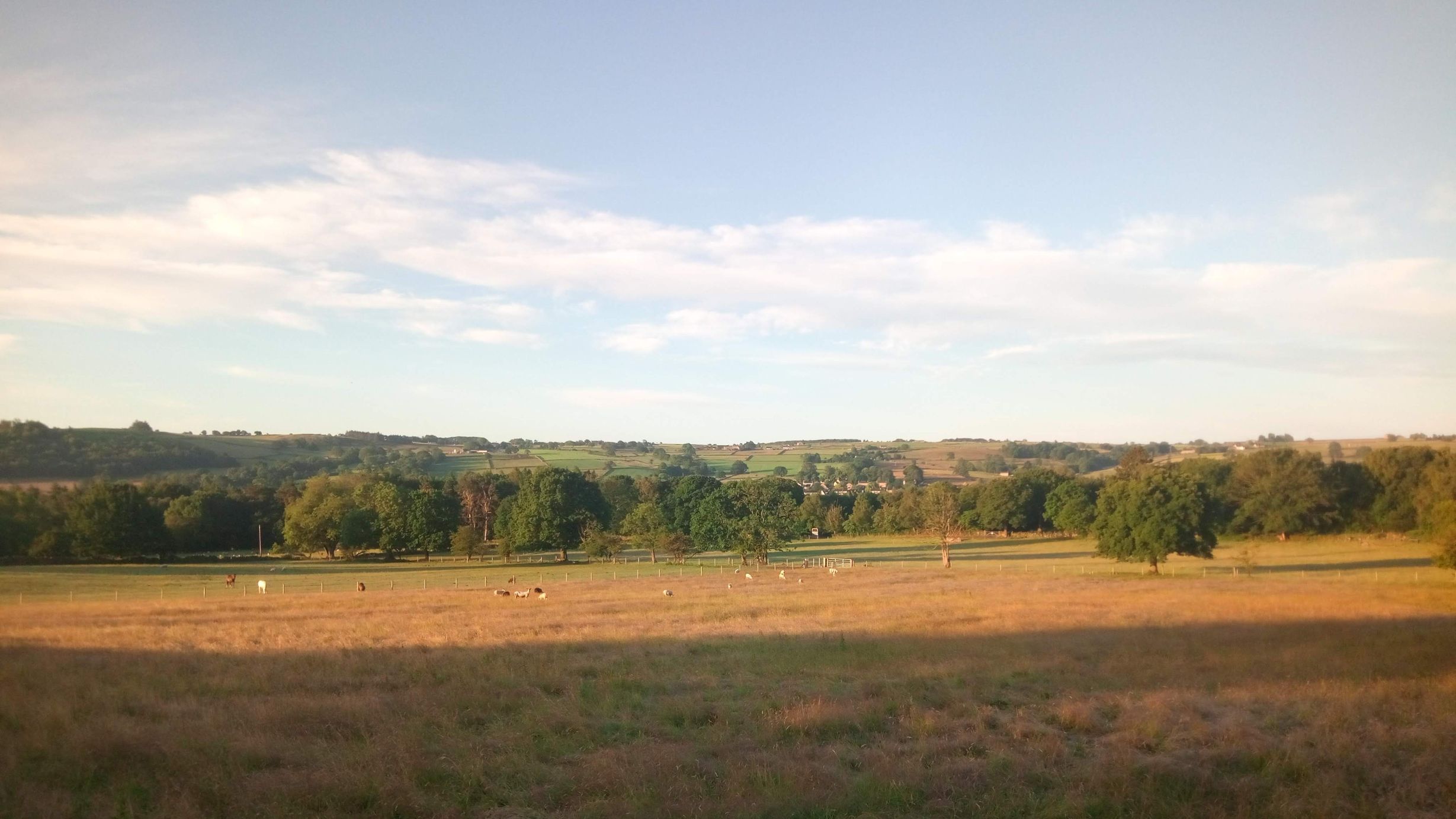
Stewardship
The privilege of looking after a place.
Land carries responsibilities beyond ownership.
Almost every decision made on a farm has consequences. The way a hedge is managed affects birds and insects. Grazing changes vegetation and soil. Woodland management influences habitat, shelter, timber and landscape. Water moving through our fields eventually continues far beyond them.
Good stewardship does not mean preserving the countryside unchanged. Healthy landscapes are dynamic. It means managing change deliberately and trying to leave behind something useful, resilient and beautiful.

Agriculture
Productive land. Living land.
Farming is one of the most direct expressions of our dependence upon nature. Soil, rainfall, sunlight, plants and animals provide the foundations; human decisions determine how those resources are used.
Sustainable agriculture begins with the health of the land itself. Soil, water, grass, trees, hedges, insects and wildlife are not separate environmental interests. They are part of the same productive system.
A well-managed farm should produce more than commodities. It should also produce healthy soil, functioning habitats, attractive landscapes and opportunities for people to understand the countryside.

Throstle Nest · Nidderdale
Wildlife Conservation
Making room for abundance.
Conservation at Throstle Nest is part of ordinary land management rather than an activity confined to a separate corner of the farm.
Hedgerows provide food, shelter and nesting sites. Woodland supports birds, mammals, insects and fungi. Wet ground, ponds and streams create another network of habitats, while fields contain complex relationships between soil, plants, grazing animals and invertebrates.
Sometimes conservation requires intervention: restoring a hedge, planting trees, changing grazing pressure or improving habitat. Sometimes the best decision is simply to leave a place alone and allow natural processes more room.
Our aim is a resilient landscape in which wildlife can flourish alongside agriculture and human activity.
Field Sports & Responsible Harvest
Nurture before harvest.
Human beings have always taken food from the landscape through agriculture, fishing, gathering and hunting. We believe responsible harvesting can sit within a wider ethic of conservation where populations are healthy and management is informed by evidence, restraint and respect.
Hunting, shooting and fishing carry responsibilities. Harvest should never become exploitation. It requires regard for seasons, population health, habitat and animal welfare, together with an obligation to maintain the landscape that creates abundance in the first place.
We should nurture before we harvest, and take only where nature can afford to give.

Food & Foraging
Nature feeds us.
Some food is deliberately cultivated or reared. Some grows quietly around us: blackberries, elderflowers, sloes, crab apples, mushrooms, herbs and nuts.
Foraging encourages knowledge and restraint. To gather something responsibly we must understand what it is, when it grows, where it thrives and how much can be taken without diminishing what remains.
Cooking completes the relationship. Food connects soil, weather, plants, animals, practical knowledge and human culture. The table is one of the places where landscape becomes community.

Art
Learning to see.
Art provides another way of understanding landscape. Andy Goldsworthy has been an important influence on this idea: working with stone, leaves, branches, ice and other natural materials, often allowing weather and time to become part of the work itself.
The landscape paintings of our friend Hugh Miller offer another response, interpreting the countryside through colour, texture and accumulated layers of paint.
These approaches are different, but both begin with close observation. That matters because attention creates attachment, and attachment encourages care. Beauty is therefore not separate from stewardship.
History & Continuity
Every landscape has a memory.
Field boundaries, old tracks, barns, walls, drainage channels and place names record decisions made by people who lived here before us.
Understanding those layers helps explain why the countryside looks as it does today. It also reminds us that our own occupation of the land is temporary, even though some of our decisions may endure for generations.
The buildings we repair, the trees we plant, the habitats we create and the knowledge we preserve will eventually become part of somebody else’s inheritance.

Learning & Exploring
A landscape becomes richer when we learn to read it.
A bird call leads to questions about habitat. A stone wall leads to geology and history. A wet field tells us something about soil and water. A mushroom introduces woodland ecology. A hedgerow can reveal centuries of agricultural practice.
Exploring therefore becomes a form of education. Agriculture leads to ecology, ecology to food, food to culture, buildings to history and landscape to art.
Learning makes a familiar place continually new.
Community
A landscape shared.
A healthy countryside is also a social landscape. Farmers, neighbours, riders, walkers, visitors, craftspeople, artists and families all experience the same place differently.
A meal, a walk, a horse ride, a conservation project, a piece of art or an evening around a fire can bring people into closer contact both with the landscape and with one another.
These modest exchanges are also how rural knowledge survives. Skills are passed on, stories remembered, traditions evolve and new people acquire their own relationship with a place.
A landscape becomes richer when people care about it together.
The Human Landscape
This life. This place. This world.
Our philosophy is fundamentally humanist. We believe that this life, this place and the natural world have value in themselves.
Human beings belong to nature. We are born into the same physical world as every plant and animal, depend upon the same systems for our survival and eventually return to that world.
Our time in any landscape is limited, but what we do within it can last much longer. We can plant trees whose maturity we may never see, restore habitats for species that ask nothing from us, repair buildings that will outlive us, preserve knowledge inherited from others and make beautiful things simply because making a place beautiful has value.
In return, rural life provides more than food, shelter and livelihood. It gives us belonging, memory, perspective, curiosity, friendship and the satisfaction of understanding a place deeply.
These are part of the reason we choose to live here.
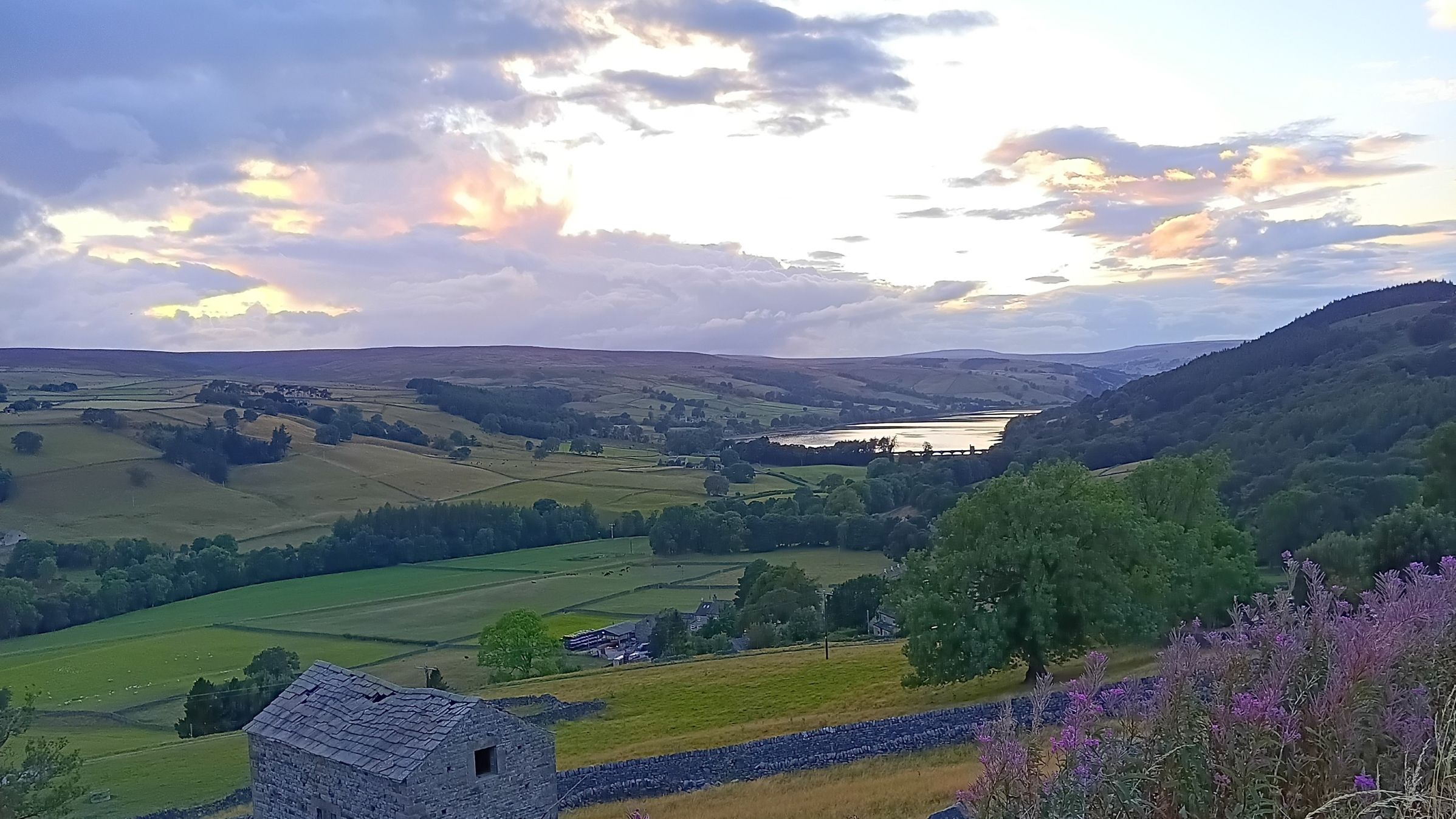
What we choose to leave
To leave the landscape richer,
more beautiful and more alive.
Rural Harmony is about the relationship between enjoyment and responsibility.
We want to farm the countryside, ride through it, gather food from it, fish its waters, manage its
wildlife, explore it, paint it, cook from it, celebrate in it and live within it.
But the right to enjoy a landscape carries an obligation to nurture it.
Our ambition is to preserve what deserves preserving, improve what can be improved, use the abundance of nature without exhausting it, and make knowledge, beauty and good food part of everyday rural life.
To create a place where wildlife flourishes, people want to spend time and future generations inherit something worth caring for.
That is what we mean by Rural Harmony.